
Westline Energy Infrastructure
Tom Green County, Texas
1,200+
Anticipated Construction Jobs
~ 300
Anticipated Permanent Operations Positions
1240
Buildable Acres
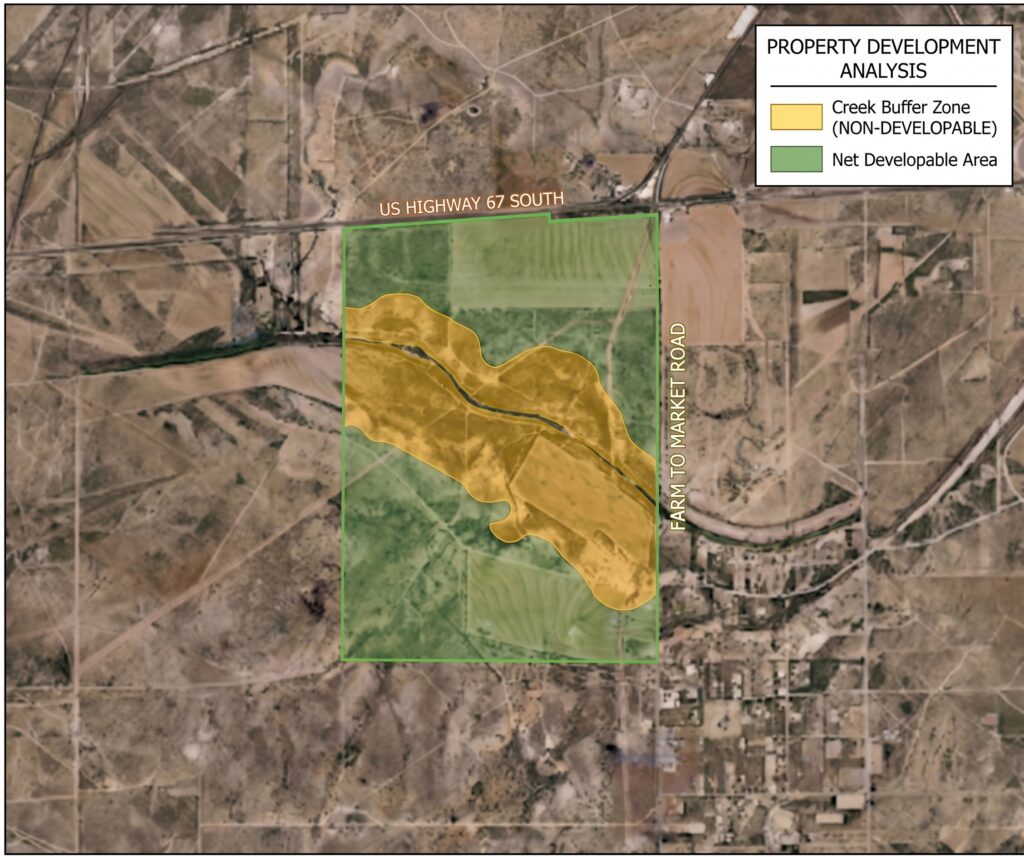
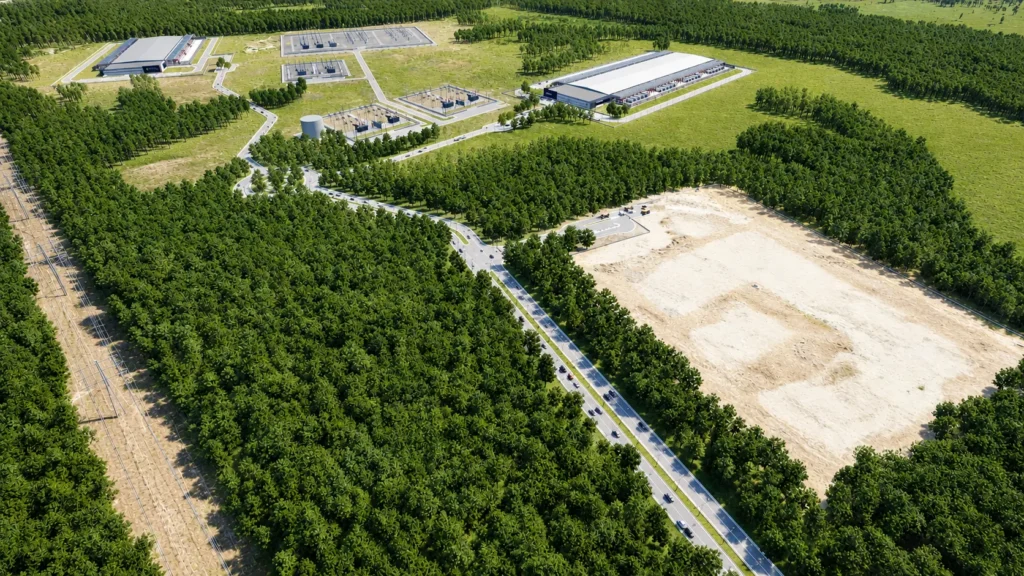
The Westline Energy & Infrastructure Hub has been designed to support advanced computing and artificial intelligence infrastructure with a dedicated on-site power generation, water-efficient, closed loop cooling systems, and the long-term environmental stewardship of Tom Green County’s natural resources as key priorities.

About Westline
Tom Green County was selected for its combination of available land, existing infrastructure access, workforce potential, and long-term economic development opportunity. The site provides the scale and infrastructure needed to support future digital growth while maintaining separation from surrounding communities.
What does a data center actually do?
Data centers are the facilities that power many of the digital services people use every day, including:
- Online banking
- Streaming services
- Artificial intelligence applications
- Business communications
- Emergency and public services
Modern data centers also support the computing infrastructure behind new advances in artificial intelligence, including medical research, drug discovery, diagnostic tools, and other emerging healthcare technologies.
Think of a data center as the physical infrastructure behind the internet and modern digital services.
About the site
Tom Green County was selected for its combination of available land, existing infrastructure accesas, workforce potential, and long-term economic development opportunity. The site provides the scale and infrastructure needed to support future digital growth while maintaining separation from surrounding residential areas.
What does a data center actually do?
Data centers are the facilities that power many of the digital services people use every day, including:
- Online banking
- Streaming services
- Artificial intelligence applications
- Business communications
- Emergency and public services
Modern data centers also support the computing infrastructure behind new advances in artificial intelligence, including medical research, drug discovery, diagnostic tools, and other emerging healthcare technologies.
Think of a data center as the physical infrastructure behind the internet and modern digital services.
Responsible Development
Power
The Westline Campus is being designed to generate its primary power on-site through reciprocating natural gas engines — a proven, modular technology already in wide use at major power facilities.
This means the campus is not expected to place additional demand on the local electrical grid that serves homes and businesses throughout Tom Green County. Beacon will fund the development, construction, and operation of its power infrastructure, ensuring these costs are not passed on to local residents or taxpayers.
Water Stewardship
Westline will operate a closed-loop cooling system, meaning water recirculates within the system rather than passing through once and being discharged — requiring only periodic make-up water to offset evaporation and minor losses, not continuous withdrawal for facility cooling.
Westline projects use of less than 50% of its certificated water permit — reserving significant headroom below its legal entitlement for safe water use as designated by Texas Commission on Environmental Quality. An independent engineering study of the Spring Creek reservoir estimates its long-term sustainable yield at 120–170 acre-feet per year. Westline’s projected total draw of approximately 55 acre-feet per year falls below that estimated range.
Westline is taking initiative to include emergency water storage in its site design (included in projected draw levels). The storage is designed to supply the anticipated need for a time of an emergency to mitigate the need for other sources, especially to protect the watershed in times of drought.
Beacon is preparing to invest millions in watershed improvements (including mesquite removal, land restoration, and improving stream infrastructure to support healthier downstream flows) on the site designed to meaningfully improve downstream water supplies for the broader region — not just offset the project’s own footprint. These site design and watershed investments, combined with the closed-loop cooling system, reflect a water strategy built around minimizing water usage and improving the watershed.
For Westline, water efficiency has been a priority from the beginning. The project is being designed to:
- Use cooling systems that recirculate water rather than constantly drawing new supplies
- Capture and reuse water where practical
- Continuously monitor for leaks and unnecessary water use
- Reduce overall consumption through conservation-focused design
What this means in practical terms is that the facility is being designed to use water carefully and efficiently, not wastefully. The project team continues to evaluate long-term water supply and infrastructure planning, including on-site water treatment and possible use of brackish water, in coordination with engineering consultants and regional stakeholders to ensure the project operates responsibly.
Noise
Westline is designing the facility with a focus on minimizing noise levels. Key design measures include:
- Significant distance between the facility and neighboring properties
- Equipment placement and enclosures designed to reduce sound
- Noise-reduction features built into buildings and infrastructure
- Ongoing monitoring to ensure compliance with applicable standards
Construction, Traffic, and Access
Beginning in Q1 2027, Westline will begin land grading and watershed improvement work on its Tom Green County property. This early-phase work is separate from — and precedes — construction of the power-generation elements of the site. Per Texas law and regulatory code, Westline will not begin construction on the power-producing elements of the site until all required permits have been obtained, including the finalized TCEQ air permit.
This sequencing allows watershed and site-preparation work to proceed responsibly while the regulatory review process for power generation continues in parallel.
Community Commitment
Beacon is committed to ongoing engagement with residents, elected officials, educators, workforce organizations, and community stakeholders throughout planning, construction, and operations.
Residents can submit questions directly to the project team and receive ongoing project updates as development progresses by signing up at westline@beacondatacenters.com.
The project is expected to create more than 1,200 construction jobs, over 300 permanent operational roles, and significant long-term tax revenue for Tom Green County, while being designed to operate responsibly within the surrounding rural landscape.
Beacon has already begun adjusting the Westline site plan —including changes to layout, buffers, and infrastructure sequencing — to better reflect community priorities.
Workforce Development
Through dedicated community investment, Beacon will pursue partnerships with local educational institutions to build a pipeline of trained data center and power generation technicians, electricians, and facility operators from Tom Green County.
According to national compensation data cited in Beacon’s workforce assessment, data center operations technicians earn a median salary of approximately $85,000-$88,000 annually, with opportunities ranging from entry-level positions around $57,000 per year to experienced facility managers and engineers earning $130,000 or more.
These positions are permanent, career-track roles that typically include benefits, training opportunities, and pathways for long-term professional growth.
About the site
Tom Green County was selected for its combination of available land, existing infrastructure access, workforce potential, and long-term economic development opportunity. The site provides the scale and infrastructure needed to support future digital growth while maintaining separation from surrounding residential areas.
What does a data center actually do?
Data centers are the facilities that power many of the digital services people use every day, including:
- Online banking
- Streaming services
- Artificial intelligence applications
- Business communications
- Emergency and public services
Modern data centers also support the computing infrastructure behind new advances in artificial intelligence, including medical research, drug discovery, diagnostic tools, and other emerging healthcare technologies.
Think of a data center as the physical infrastructure behind the internet and modern digital services.
How would a data center affect my water, electric bill, and neighborhood?

Power
The Westline Campus is being designed to generate its primary power on-site through dedicated power infrastructure.
This means the campus is not expected to place additional demand on the local electrical grid that serves homes and businesses throughout Tom Green County. Beacon will fund the development, construction, and operation of its power infrastructure, ensuring these costs are not passed on to local residents or taxpayers.

Water Stewardship
For Westline, water efficiency has been a priority from the beginning. The project is being designed to:
- Use cooling systems that recirculate water rather than constantly drawing new supplies
- Capture and reuse water where practical
- Continuously monitor for leaks and unnecessary water use
- Reduce overall consumption through conservation-focused design
What this means in practical terms is that the facility is being designed to use water carefully and efficiently, not wastefully. The project team continues to evaluate long-term water supply and infrastructure planning, including on-site water treatment and possible use of brackish water, in coordination with engineering consultants and regional stakeholders to ensure the project operates responsibly within West Texas water realities.

Noise
Expected sound levels at nearby community locations are projected to remain within applicable standards and comparable to typical residential background noise levels. To help keep noise levels low, the project is being designed with:
- Significant distance between the facility and neighboring properties
- Equipment placement and enclosures designed to reduce sound
- Noise-reduction features built into buildings and infrastructure
- Ongoing monitoring to ensure compliance with applicable standards
Most nearby residents should rarely notice the facility from a noise standpoint.

Traffic & Access
Construction activity will result in temporary increases in traffic during development phases.
Traffic management plans will be developed in coordination with Tom Green County and TxDOT to support safe access routes and phased roadway improvements where required.
Once operational, data centers generally generate significantly less daily traffic than many other large industrial or commercial developments.

Community Commitment
Beacon is committed to ongoing engagement with residents, elected officials, educators, workforce organizations, and community stakeholders throughout planning, construction, and operations.
Residents will be able to submit questions directly to the project team and receive ongoing project updates as development progresses.

Workforce Development
Through dedicated community investment, Beacon will pursue partnerships with Angelo State University, Howard College, and local high schools to build a pipeline of trained data center and power generation technicians, electricians, and facility operators from Tom Green County.
Examples of roles commonly found at data center campuses include:
- Data Center Operations Technicians
- Facilities and Maintenance Personnel
- Electrical and Mechanical Technicians
- Engineers
- Security Personnel
- Environmental Health & Safety Professionals
- Administrative and Operations Support Staff
- Site and Facility Management Roles
According to national compensation data cited in Beacon’s workforce assessment, data center operations technicians earn a median salary of approximately $85,000-$88,000 annually, with opportunities ranging from entry-level positions around $57,000 per year to experienced facility managers and engineers earning $130,000 or more.
These positions are permanent, career-track roles that typically include benefits, training opportunities, and pathways for long-term professional growth.
Site Location
Campus Perspective
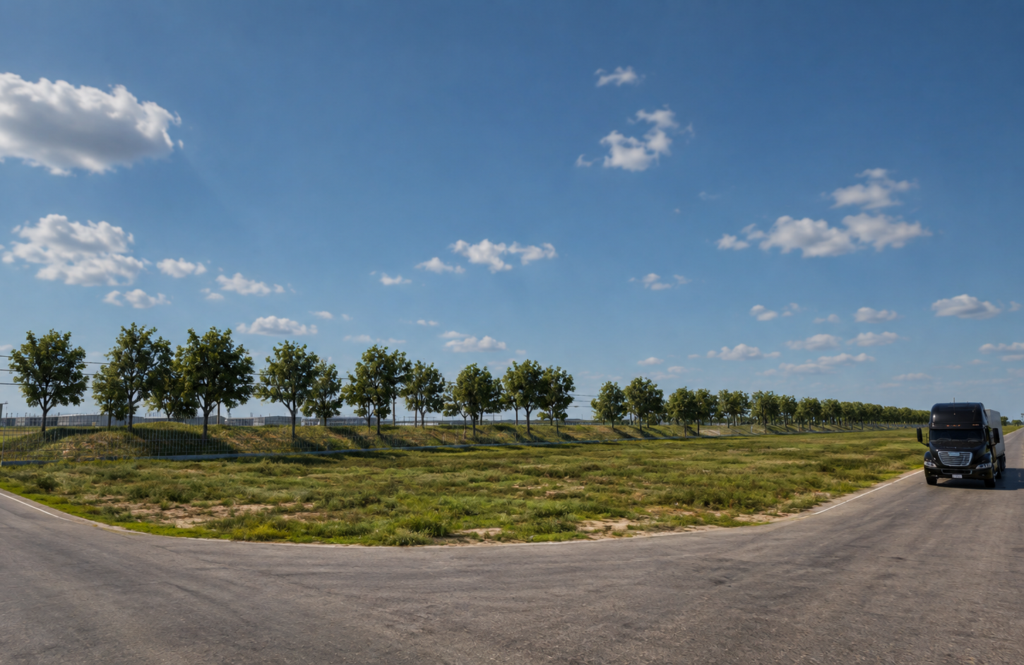
Perspective of site from Farm to Market Road 2335 and Highway 67
Economic Impact
The Westline Campus represents a major long-term investment in Tom Green County and is expected to create both immediate and lasting economic opportunities for the region.
During construction, the project is anticipated to support more than 1,200 jobs across skilled trades, infrastructure, logistics, and supporting industries. Once operational, the campus is expected to create more than 300 permanent positions spanning facility operations, engineering, maintenance, security, administration, and technical support.
These positions are expected to offer competitive wages, training opportunities, and long-term career growth within one of the fastest-growing infrastructure sectors in the country.
Beyond direct employment, the project is expected to generate additional economic activity through local purchasing, contractor partnerships, and increased tax revenue supporting public infrastructure and services throughout Tom Green County.
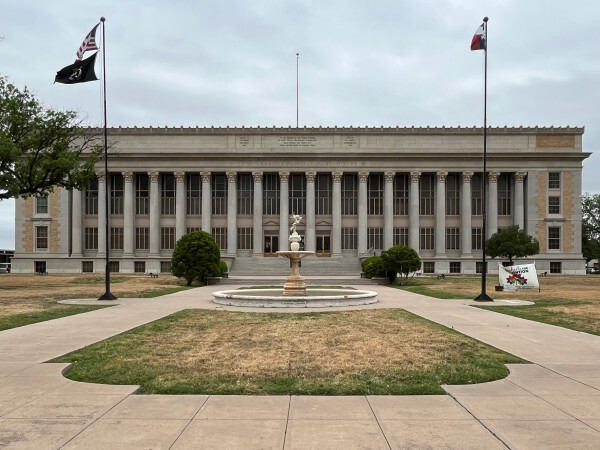
Source: downtowntx.org
Our Local Commitment
Beacon Data Centers supports a vision for Tom Green County to become a state county leader for how counties and data center developers build together — thoughtfully, responsibly, and in partnership with the communities they serve.
This means, Beacon will adhere to three core values in its activities:
- Proactive engagement
- Standards leadership
- Committed partnership
We will communicate before, during and after construction and we invite regulators and elected officials to develop frameworks that can serve as models for responsible large-scale development state-wide. Beacon is committed to working with civic leaders, educational institutions, faith and community-based organizations and many others to leave lasting contributions in the region.
Frequently Asked Questions
Will the project affect the local electrical grid?
No. Westline is being designed to generate its primary power on-site through dedicated power infrastructure rather than relying on the local grid that serves homes and businesses.
Will my electric bill increase because of the project?
No. Beacon will fund the infrastructure needed to support the campus, including power generation and related facilities. The project is not expected to shift energy costs onto local households.
Will the campus use large amounts of water?
The campus is being designed around water-efficient cooling systems, reuse strategies, leak monitoring, and conservation-focused operations intended to minimize water use.
What kind of power generation will Westline use?
The campus is being designed around dedicated on-site power generation, meaning it will generate its primary power independently rather than relying on the local electrical grid serving homes and businesses. Beacon will fund the development, construction, and operation of its infrastructure, including power systems, roadway improvements tied to construction phases, and utility coordination.
Planning is also underway with engineering consultants and regional providers on water, gas, broadband, drainage, and transportation infrastructure to ensure the project is developed responsibly and in coordination with local authorities.
The goal is to bring new infrastructure investment into Tom Green County, not place additional strain on existing community systems.
How can residents stay informed?
Beacon intends to maintain ongoing community engagement through project updates, stakeholder outreach, and direct communication channels for residents and community members.
Have additional questions or want to sign up for updates? Email us at westline@beacondatacenters.com